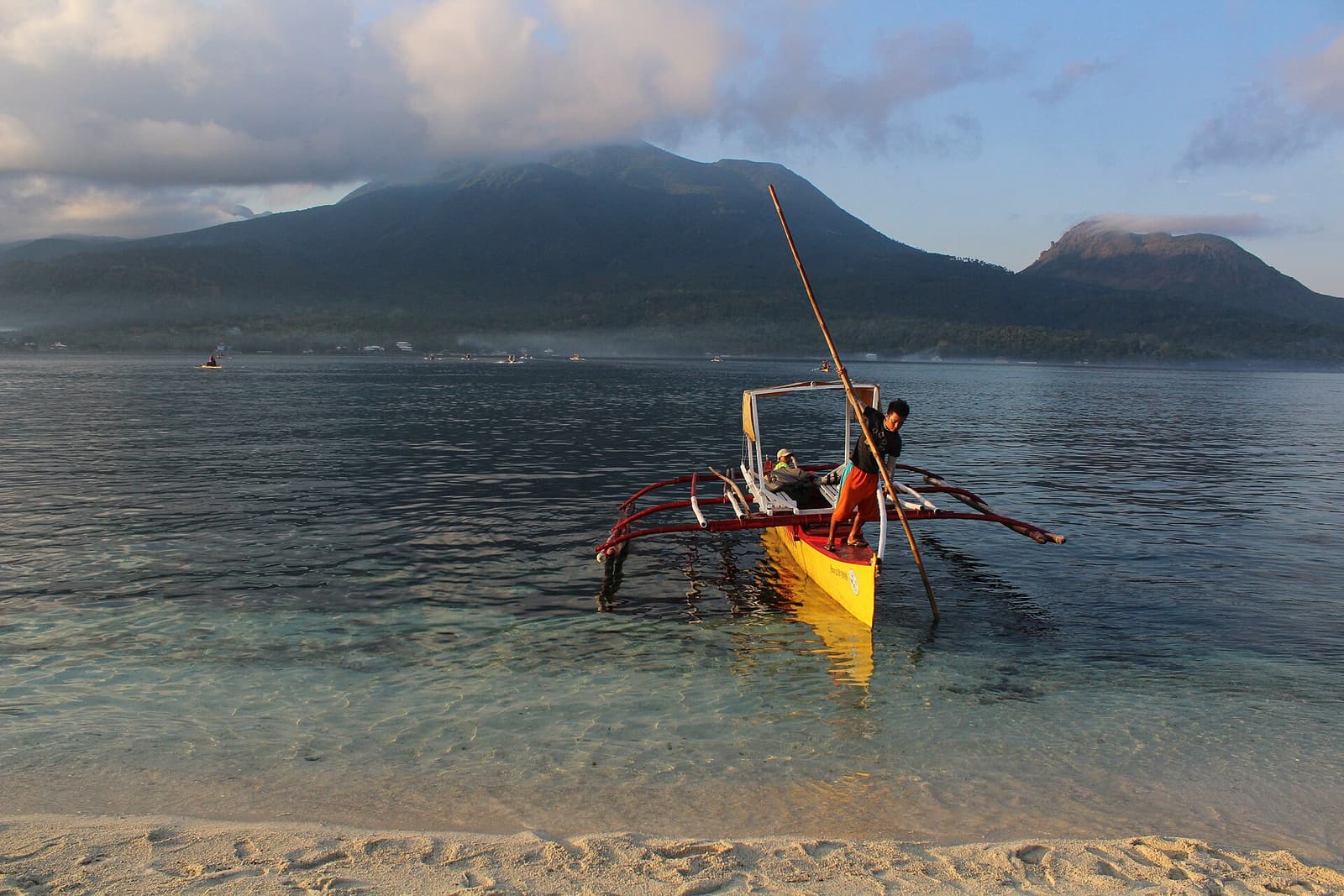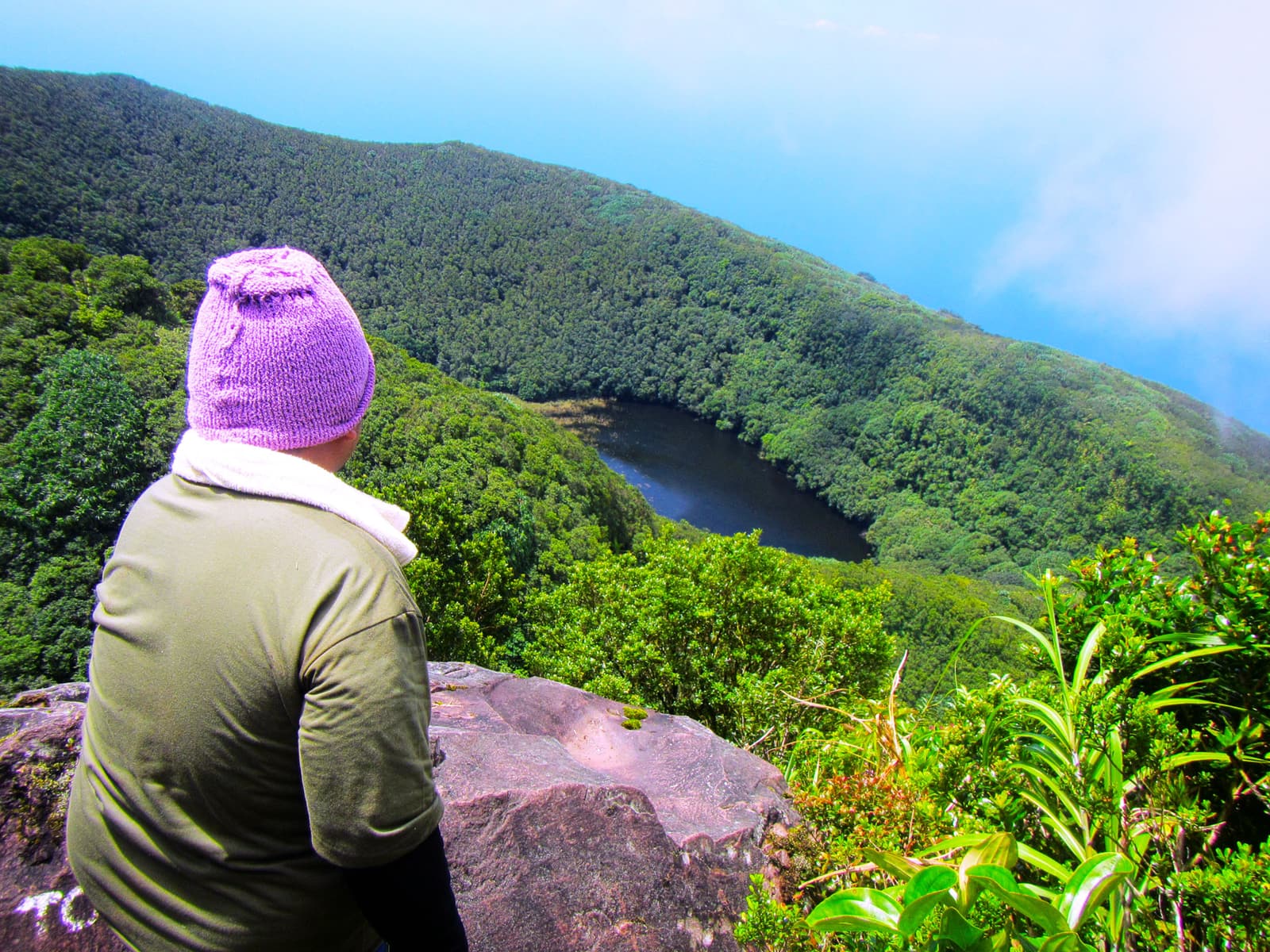
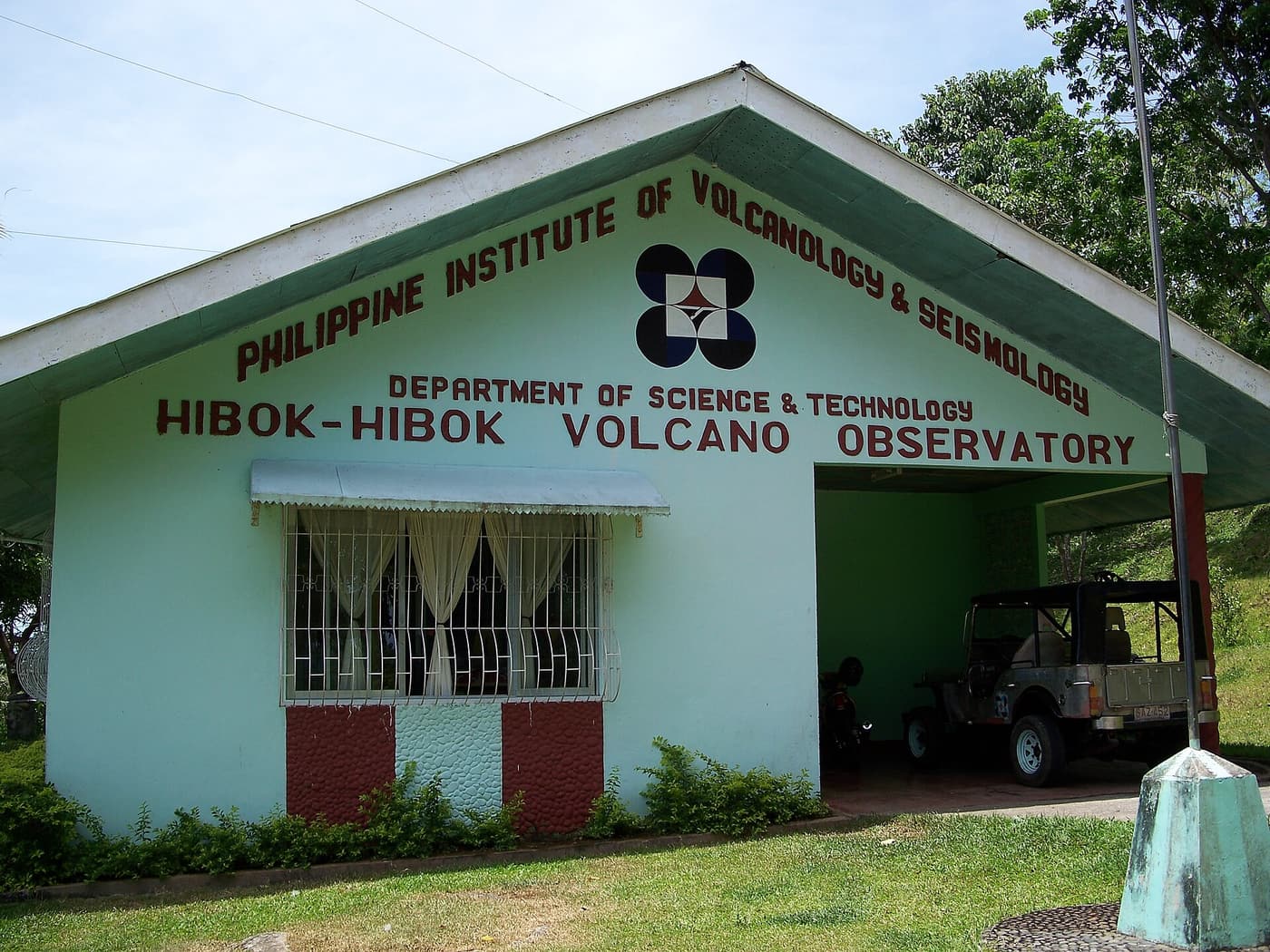
Mount Hibok-Hibok, at roughly 1,330 metres, is the highest of Camiguin’s volcanoes and an active one: its last eruptive period was in 1948–1953, and the 1951 eruption caused heavy loss of life. Today it is protected as part of the Mount Hibok-Hibok natural park and monitored by PHIVOLCS from an observatory on its slope.
The climb is the island’s toughest adventure: a steep forest trail with sections of loose rock, typically a long day on foot. A permit from the protected-area office and a registered local guide are required, and the mountain may be closed in bad weather or for trail rest — check conditions before you plan around it.
What to see and do: Mount Hibok-Hibok
Climb with a guide
Start before dawn with your guide; the trail climbs through farmland into forest and then onto steep, rocky ground near the top. Fit hikers usually take most of a day for the round trip.
Look for pitcher plants and birds
The upper forest is home to pitcher plants and mossy cloud forest; birdlife is best early in the morning.
Visit the volcano observatory
The PHIVOLCS observatory on the lower slope gives context on the volcano’s history; ask locally whether visitors are received.
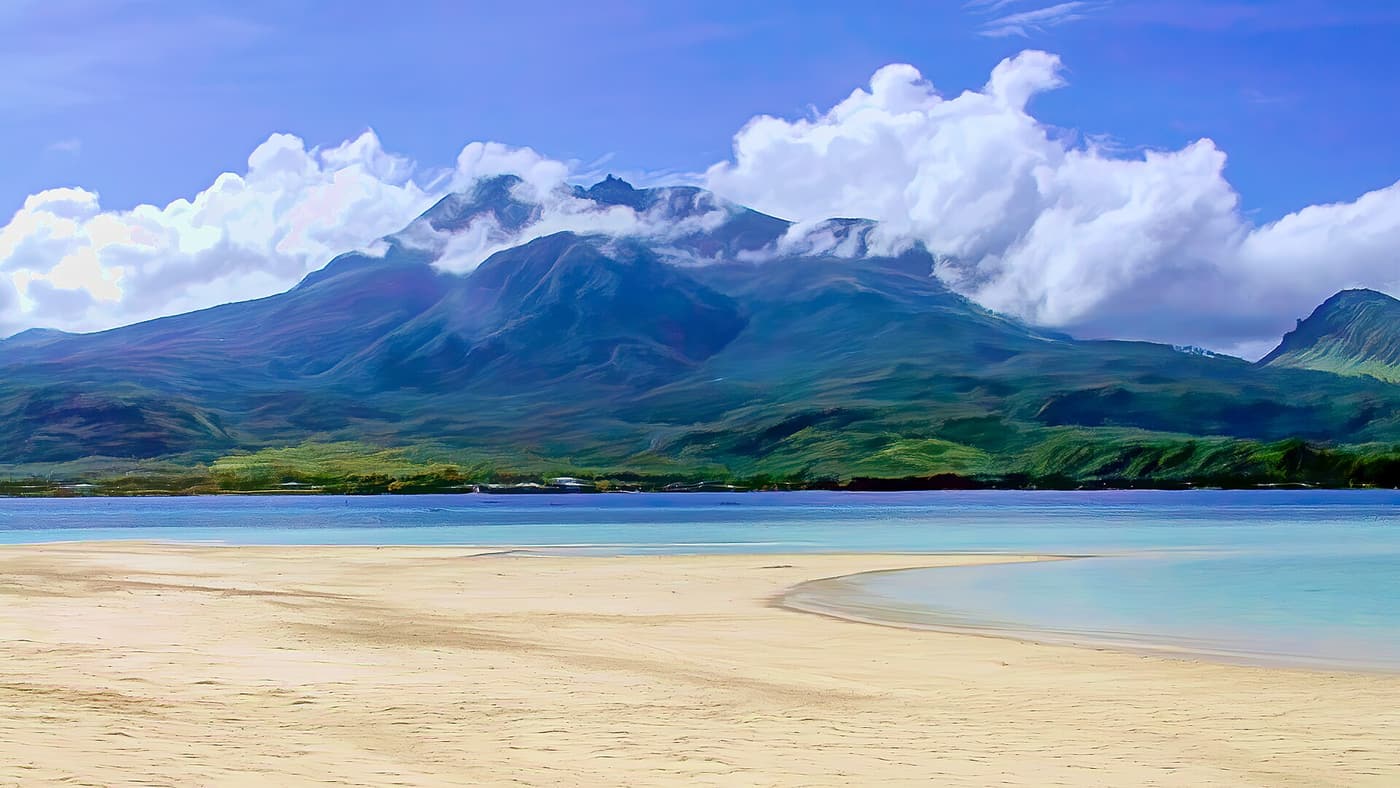
How to get to Mount Hibok-Hibok
- The usual trailheads are on the slopes above Mambajao, near Ardent; your guide will arrange the start point.
- Register and obtain your permit at the protected-area office before the climb — your accommodation or guide can help arrange it.
Insider tips
- Book your guide a day or two ahead and confirm the trail is open.
- Bring at least two litres of water, rain gear and food.
- Do not attempt it in heavy rain — the trail becomes dangerous.
- Not a beginner hike: you need good fitness and proper footwear.
Tours that include Mount Hibok-Hibok
These GetYourGuide experiences are the easiest way to see Mount Hibok-Hibok without arranging your own transport:
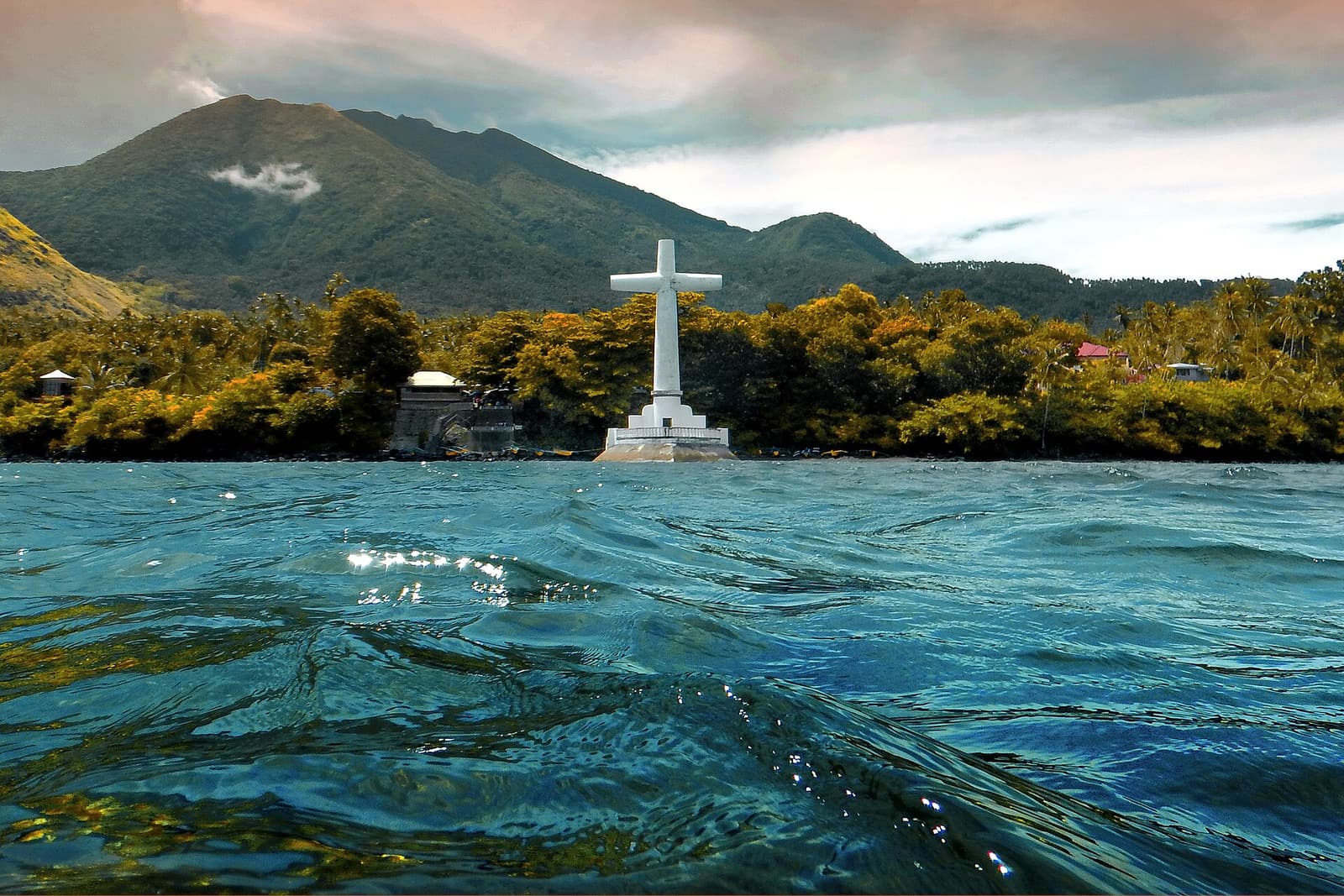 Private land tour from €102
Camiguin: Land Tour with Tongatok Viewpoint
A private day around the island by road, taking in its best-known natural and historical sights — the Sunken Cemetery, the church ruins of Gui-ob and more — with a stop at the Tongatok viewpoint. The lowest-priced Camiguin day tour on GetYourGuide when we checked.
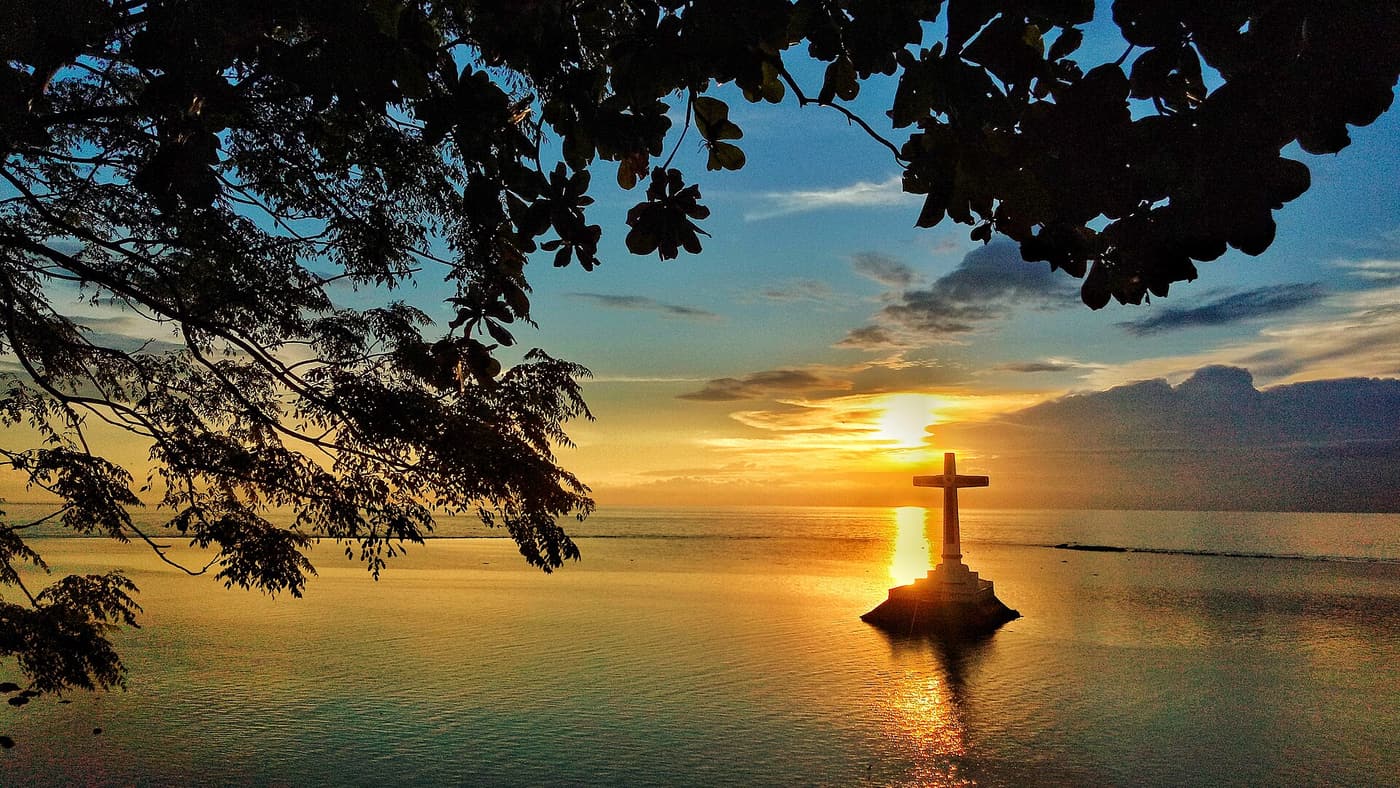
- The Sunken Cemetery cross
- The old Spanish-era church ruins
- Tongatok viewpoint over the coast
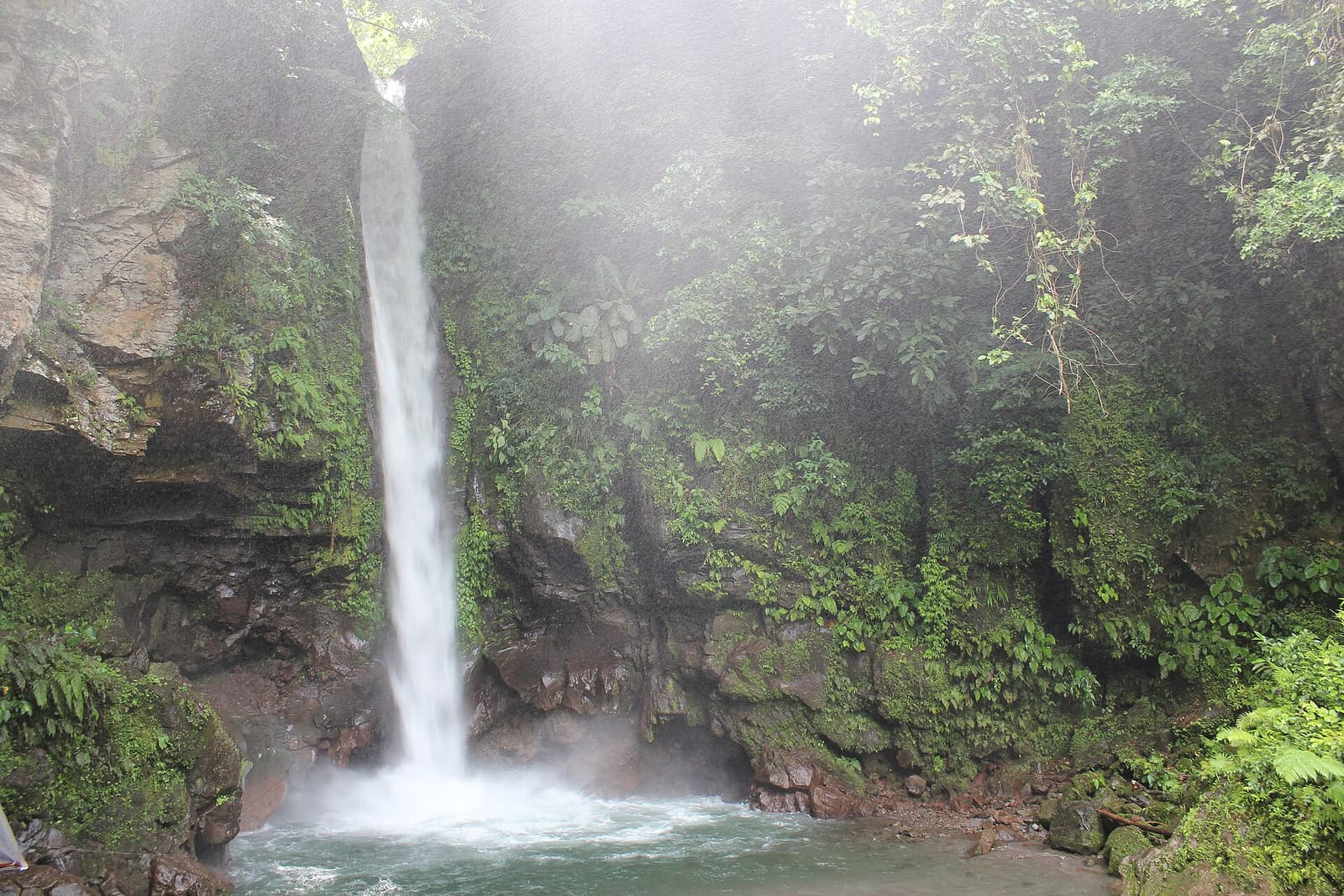 Guided full-day tour from €110
Camiguin: Full-Day Adventure Across the Island Born of Fire
A guided full day around the island’s ring road: waterfalls, springs for a cooling (or warming) swim and the historic sites left by the 19th-century eruption, with time to enjoy the forested interior on the way. Listed under Tuasan Falls on GetYourGuide.
- Scenic landmarks around the loop road
- Swims in cold and hot springs
- Historic sites from the 1871 eruption
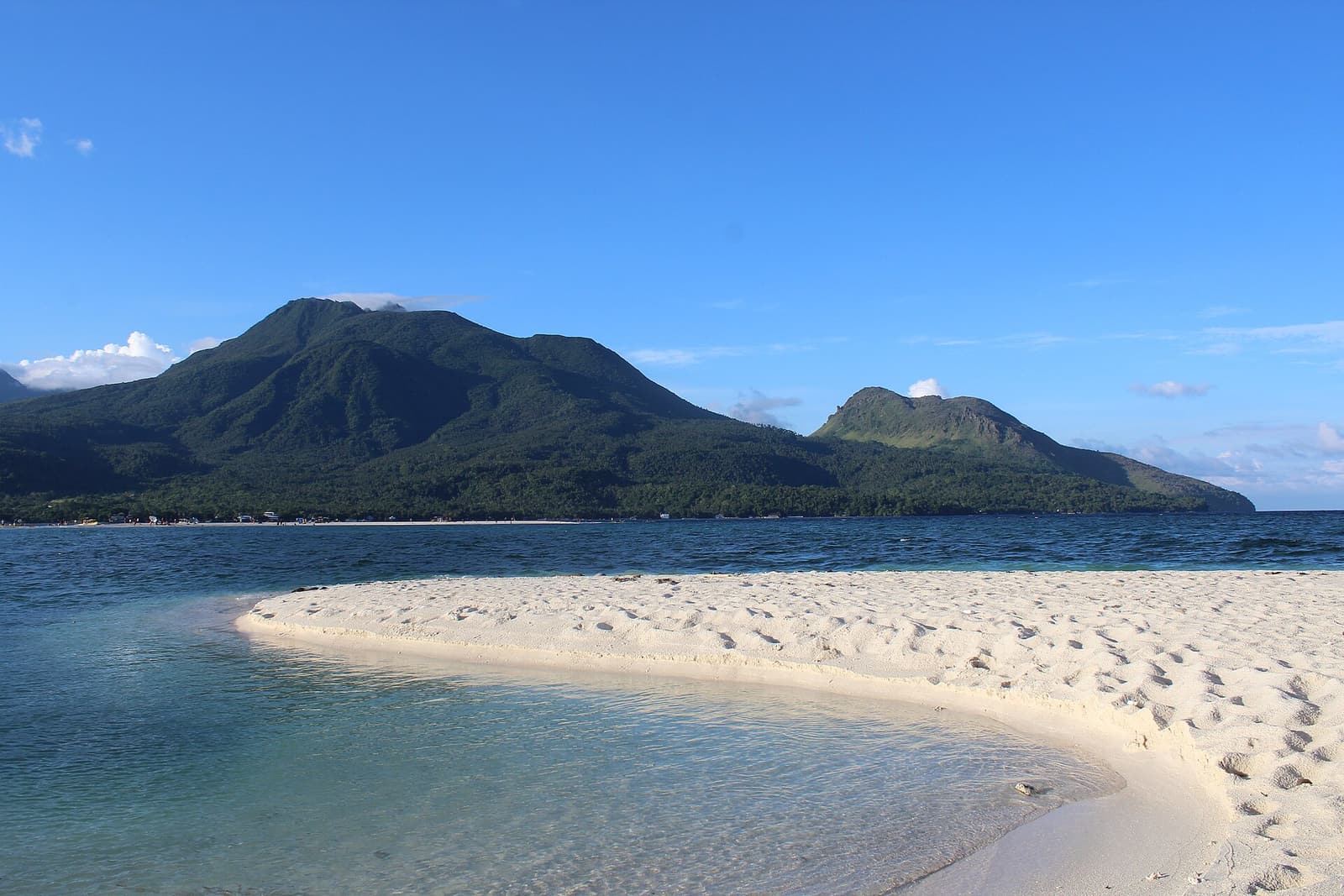 Private island-hopping tour from €117
Camiguin: White Island & Mantigue Island Hopping Private Tour
A private day on the water: a boat to the White Island sandbar off the north coast, a stop at the Katunggan mangrove park and a crossing to Mantigue Island’s marine sanctuary for swimming and snorkelling. Pickup is available and it is the only Camiguin product on GetYourGuide with reviews so far.
- Boat out to the White Island sandbar
- Swim and snorkel at Mantigue Island
- Stop at Katunggan mangrove park