Skip to content
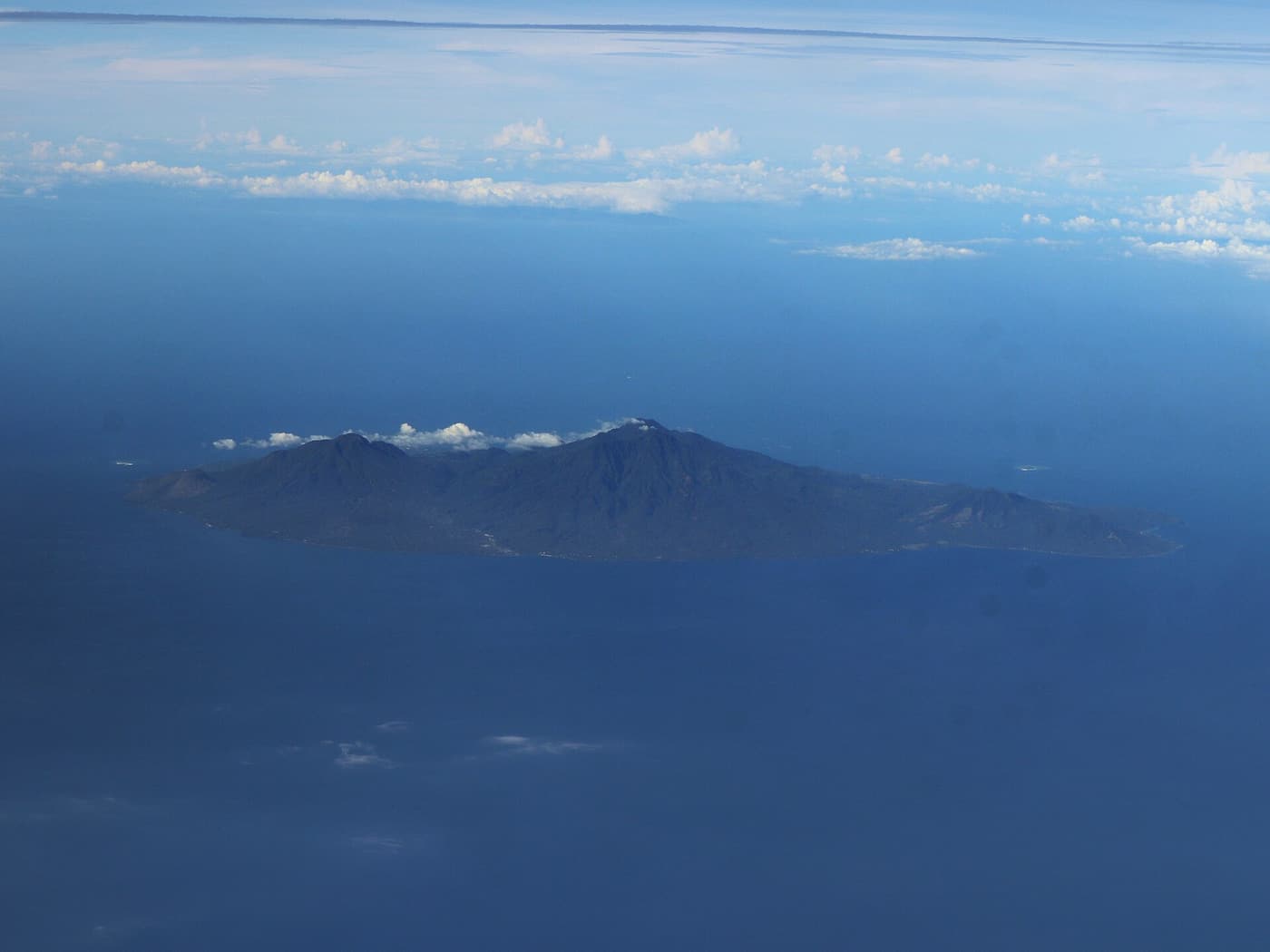
Camiguin seen from the air, a green volcanic island in a deep-blue sea

Places to Visit on Camiguin

Thirteen places worth knowing, from the cross in the sea to the crater of Hibok-Hibok.

Camiguin is small — the loop road is roughly 64 km — so almost everything is within an hour of wherever you stay. The sights fall into three natural groups around the coast.

Mambajao and the north coast has the capital, White Island, Katibawasan Falls, Ardent Hot Spring and the trailheads for Hibok-Hibok. Catarman and the volcanic west holds the story of 1871: the Sunken Cemetery, the Gui-ob church ruins, the Old Volcano, plus Tuasan Falls and Santo Niño Cold Spring. Mahinog, Guinsiliban and the east is quieter, with Mantigue Island, the giant clam sanctuary and Taguines Lagoon by the ferry port.
Mambajao & the north coast

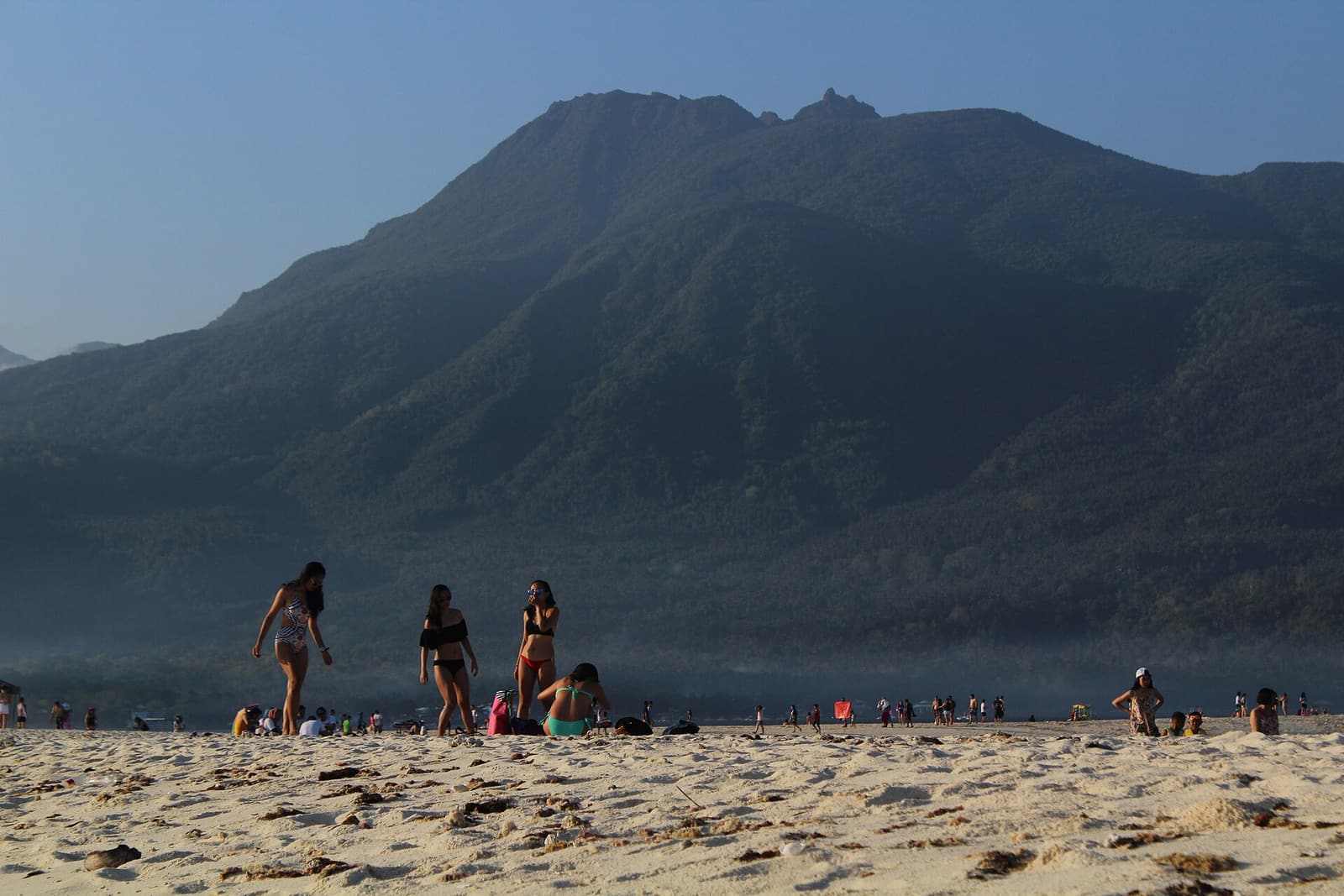
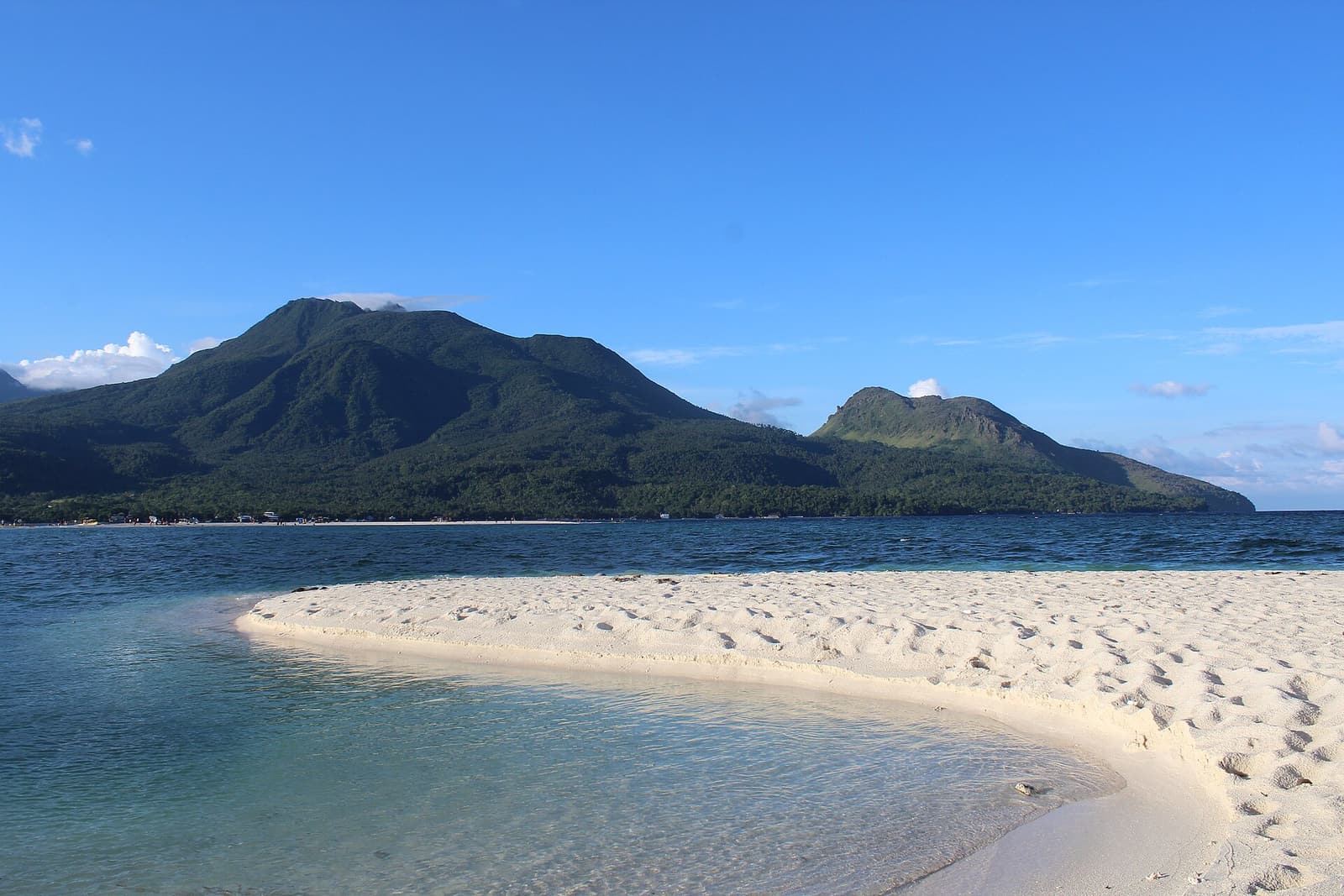
The curving white sandbar of White Island, with Mount Hibok-Hibok and Mount Vulcan behind Mambajao & the north coast

White Island

A bare crescent of white sand off the north coast, with two volcanoes as the backdrop

An uninhabited, shifting sandbar a short pump-boat ride from Agoho and Yumbing, with no trees and no buildings — just sand, clear water and a view straight back at Mount Hibok-Hibok and the Old Volcano. Go early, before the sun and the crowds get fierce.

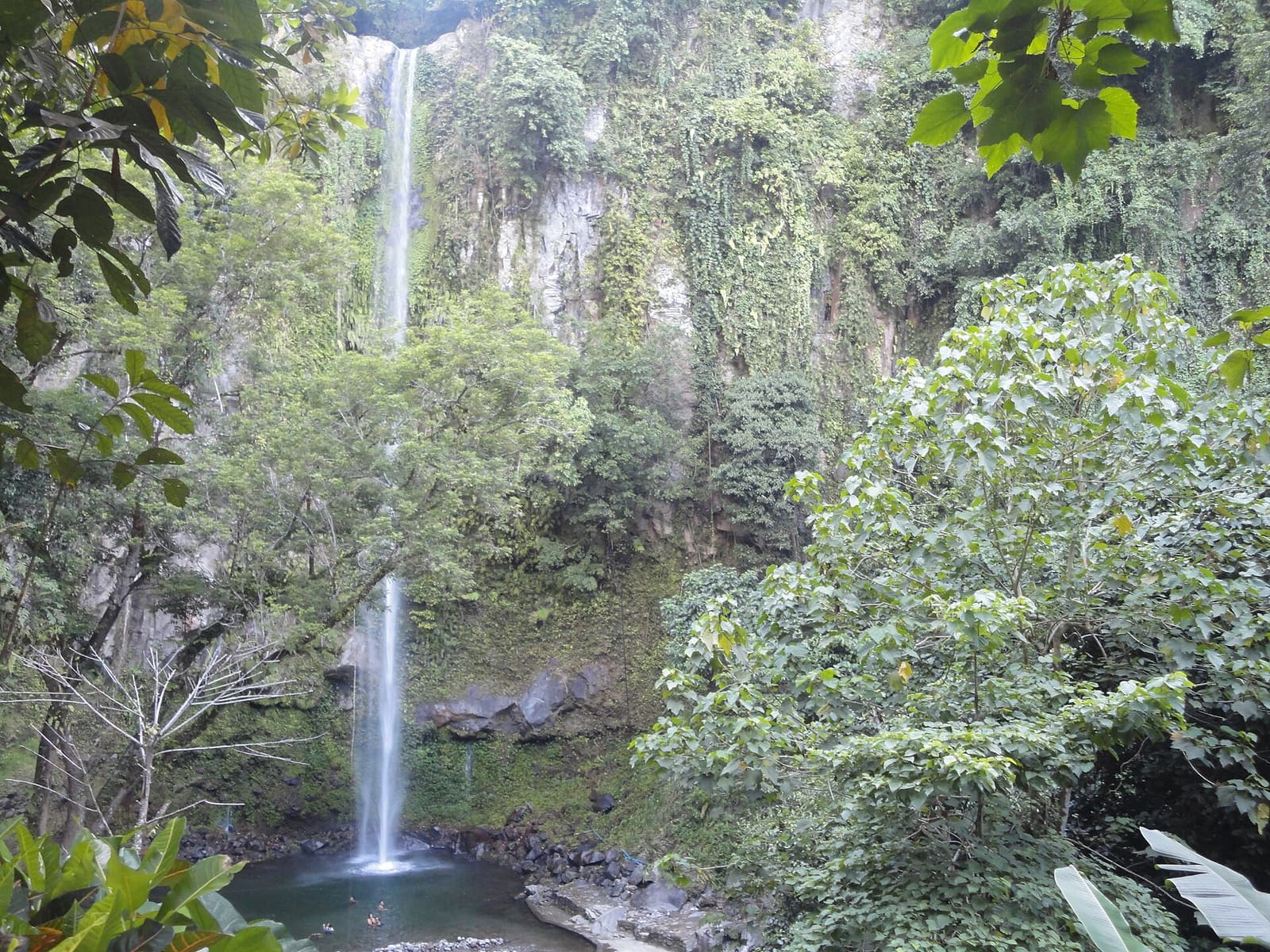
Katibawasan Falls dropping in a long white ribbon down a fern-covered cliff into a pool Mambajao & the north coast

Katibawasan Falls

A ribbon of water dropping some 70 metres into a cool pool in the forest above Mambajao

Camiguin’s best-known waterfall plunges down a fern-draped cliff into a rock-ringed pool a short drive uphill from Mambajao. Swimming in the cold water is the point; arrive early to have it to yourself.

Mount Hibok-Hibok rising above the coast — the volcano whose heat warms Ardent Hot Spring Mambajao & the north coast

Ardent Hot Spring

Volcano-warmed pools on the forested slopes of Hibok-Hibok — best in the evening

Water heated deep inside Mount Hibok-Hibok feeds a series of stone-lined pools at Ardent, in Tagdo above Mambajao. The temperature is pleasantly warm rather than scalding; come late in the afternoon or after dark, when the air cools.

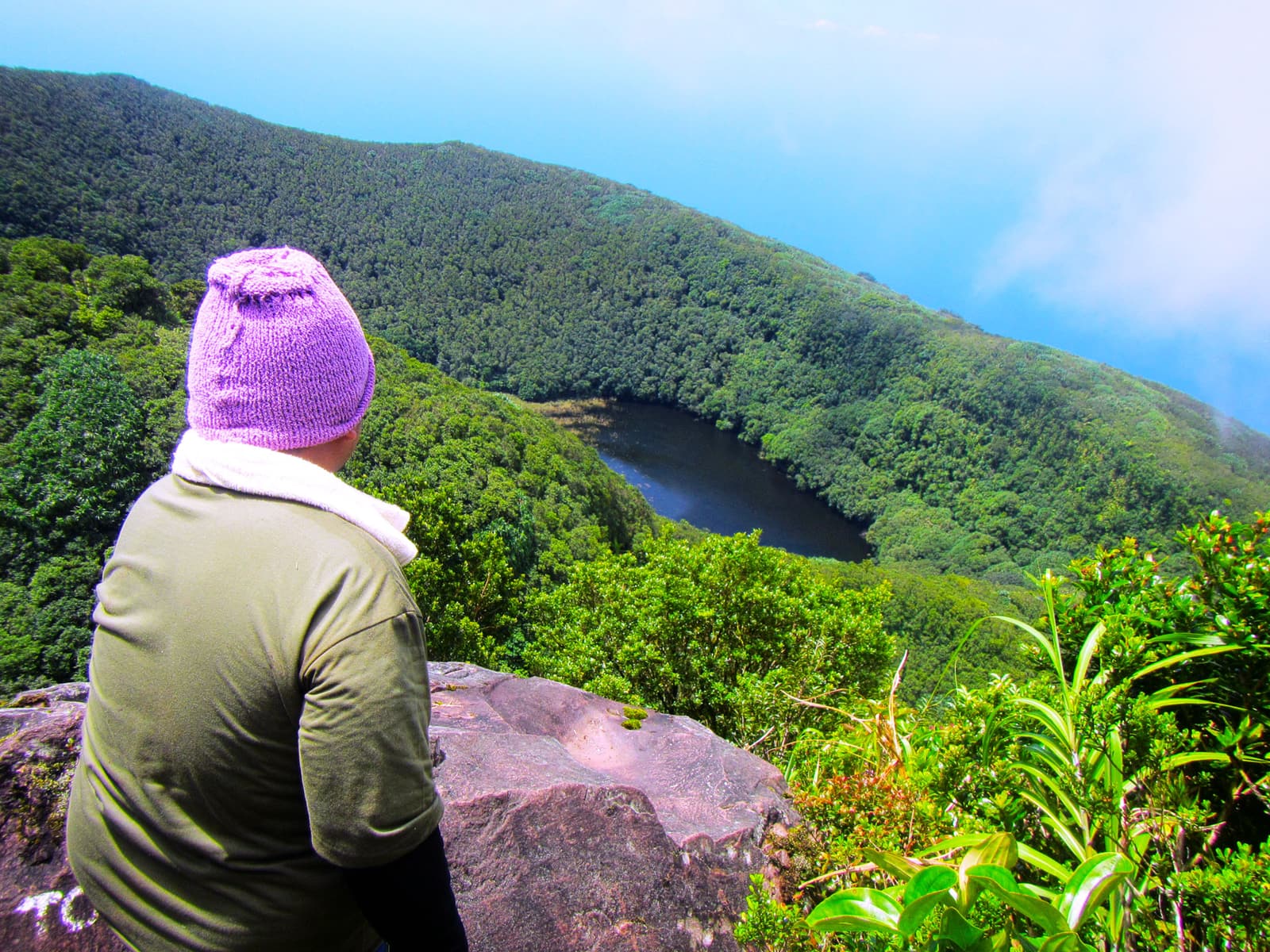
A hiker looking down into a forest-ringed crater lake high on Mount Hibok-Hibok Mambajao & the north coast

Mount Hibok-Hibok

Camiguin’s highest volcano, a guided-only climb through forest to a crater rim

Hibok-Hibok (about 1,330 m) is an active volcano that last erupted in the early 1950s and dominates the island. The climb is steep and long, needs a permit from the protected-area office and a registered local guide, and rewards fit hikers with cloud forest, pitcher plants and, on clear days, views across the Bohol Sea.

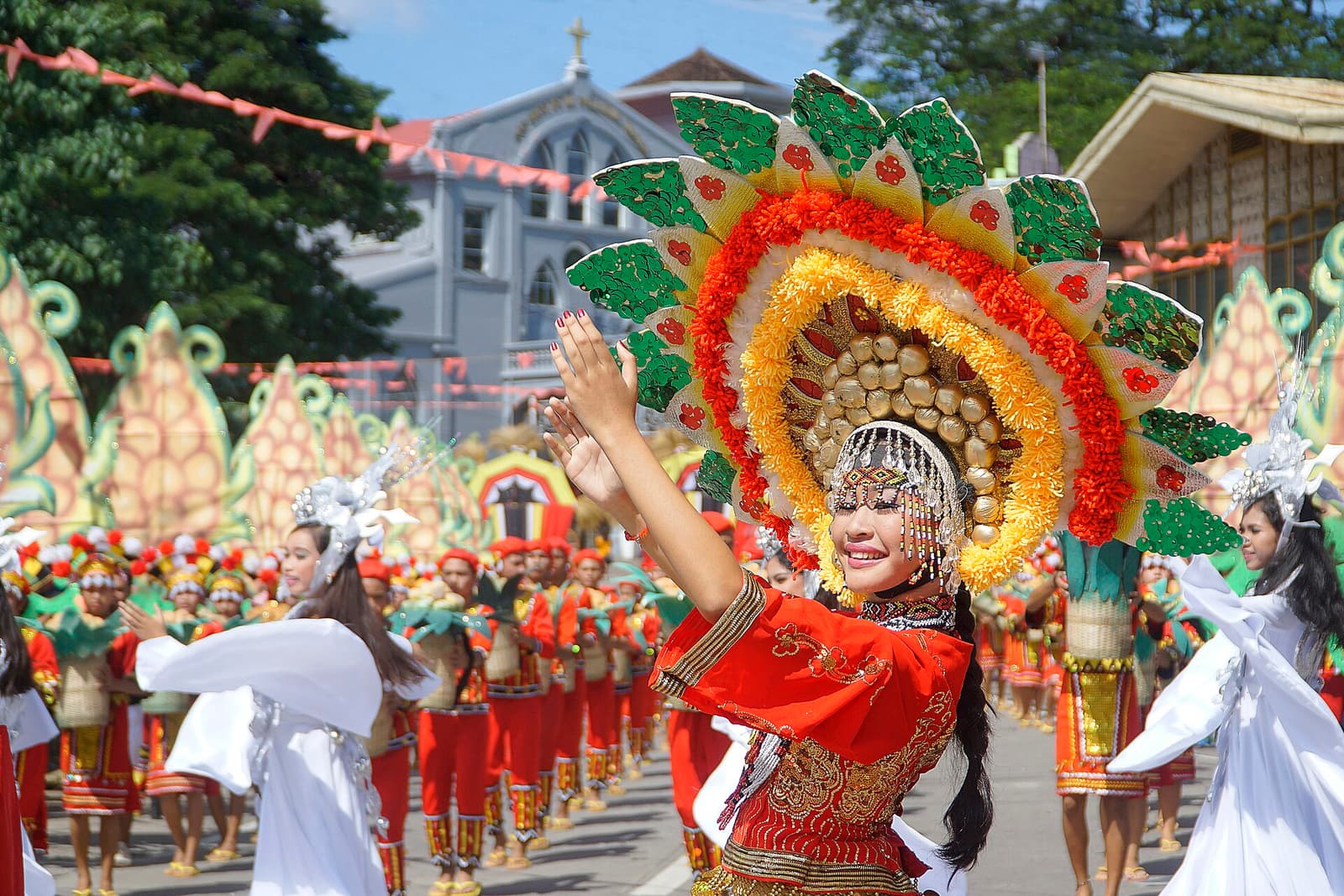
A dancer in a bright costume performing at the Lanzones Festival in Mambajao Mambajao & the north coast

Mambajao & the Lanzones Festival

The island capital — old houses, the market, and a street party for the lanzones harvest

Mambajao is Camiguin’s small, easy-going capital, with a few old wooden houses, the parish church, a market and the island’s banks. Each October it hosts the Lanzones Festival, a celebration of the sweet local fruit with street dancing in leaf-and-fruit costumes.

Catarman & the volcanic west

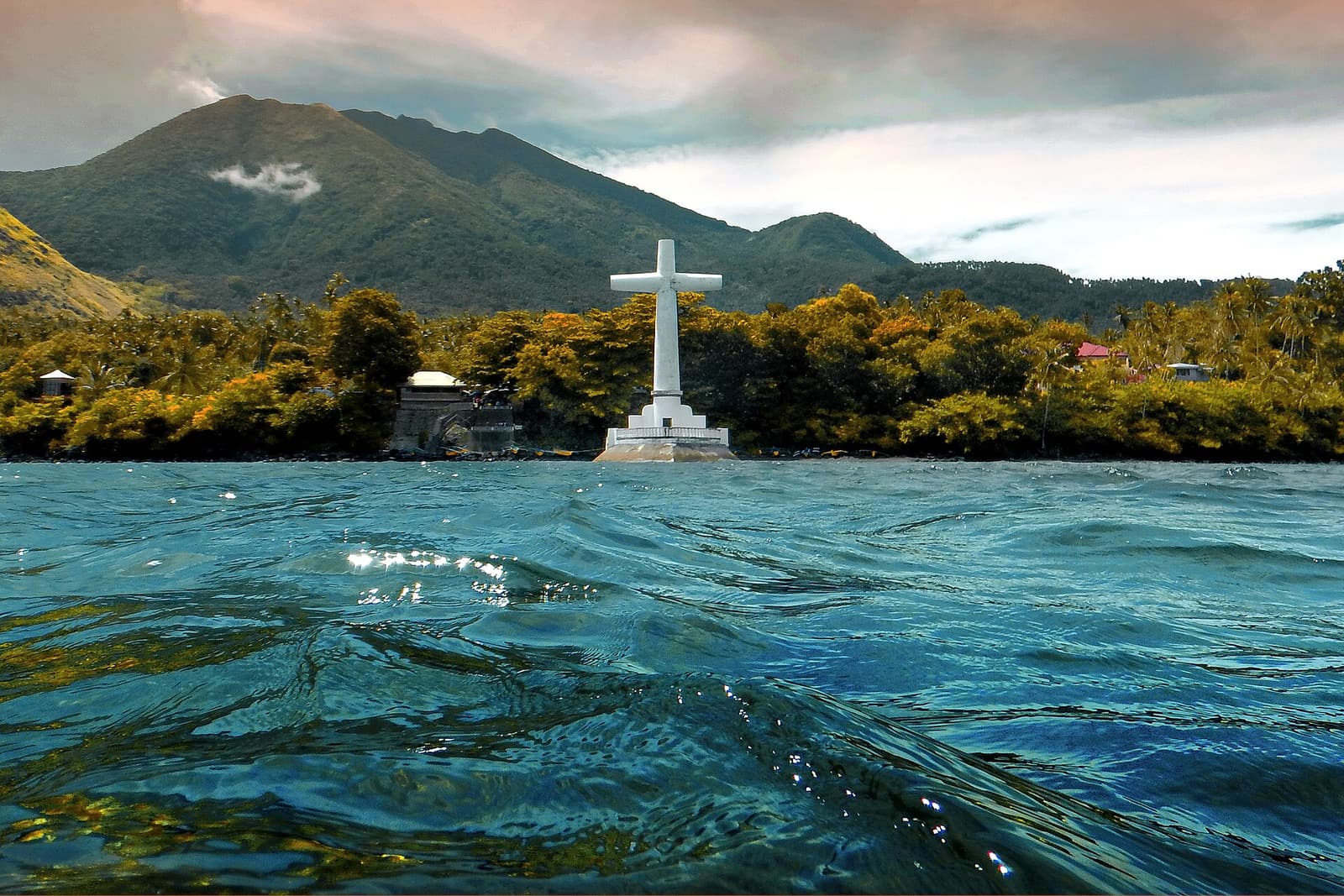
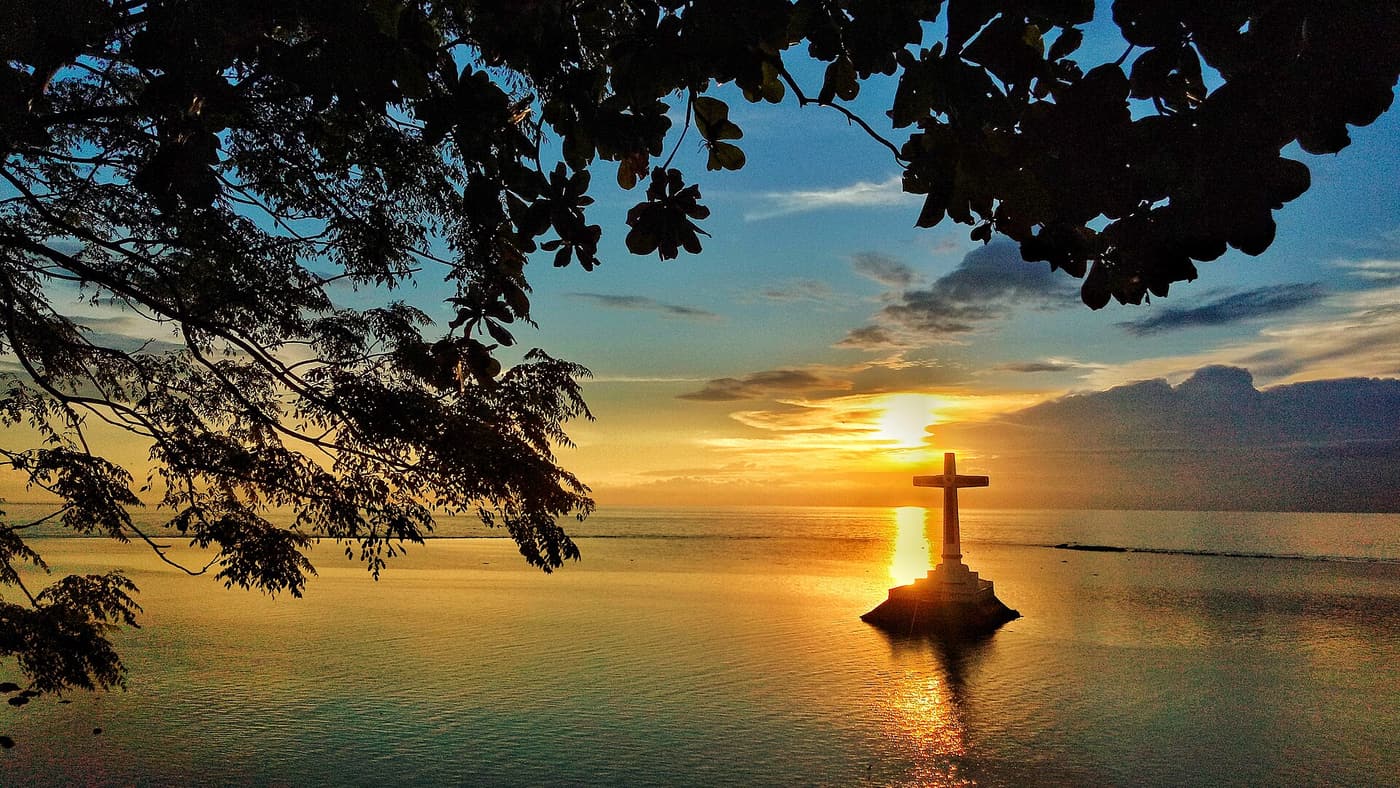
The giant white cross of the Sunken Cemetery in the sea off Bonbon, with the Old Volcano behind Catarman & the volcanic west

Sunken Cemetery

A giant white cross in the sea marks the graves of a town swallowed by the 1871 eruption

When Mount Vulcan was born in the eruptions of 1871, the old town of Catarman sank and its cemetery slipped beneath the sea. A huge white cross now stands on a platform offshore — Camiguin’s most famous view, best at sunset, with snorkelling and diving over the site.

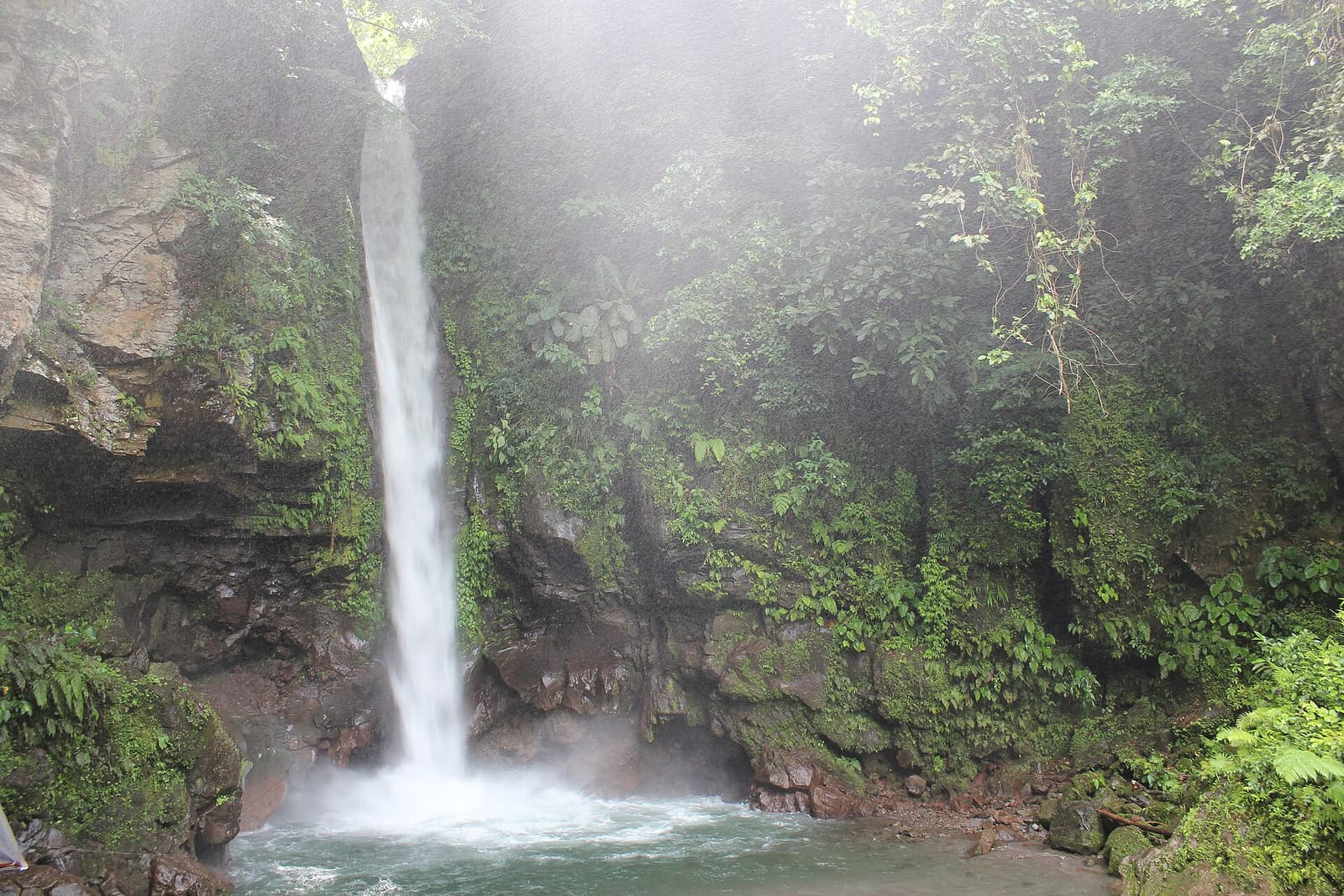
Tuasan Falls pouring into a rocky pool surrounded by forest in Catarman Catarman & the volcanic west

Tuasan Falls

A powerful, wide waterfall in a green gorge near Catarman

Less tall than Katibawasan but broader and more powerful, Tuasan Falls thunders into a boulder-strewn pool at the end of a short walk in Mainit, Catarman. It is quieter, wilder and an easy add-on to a west-coast day.

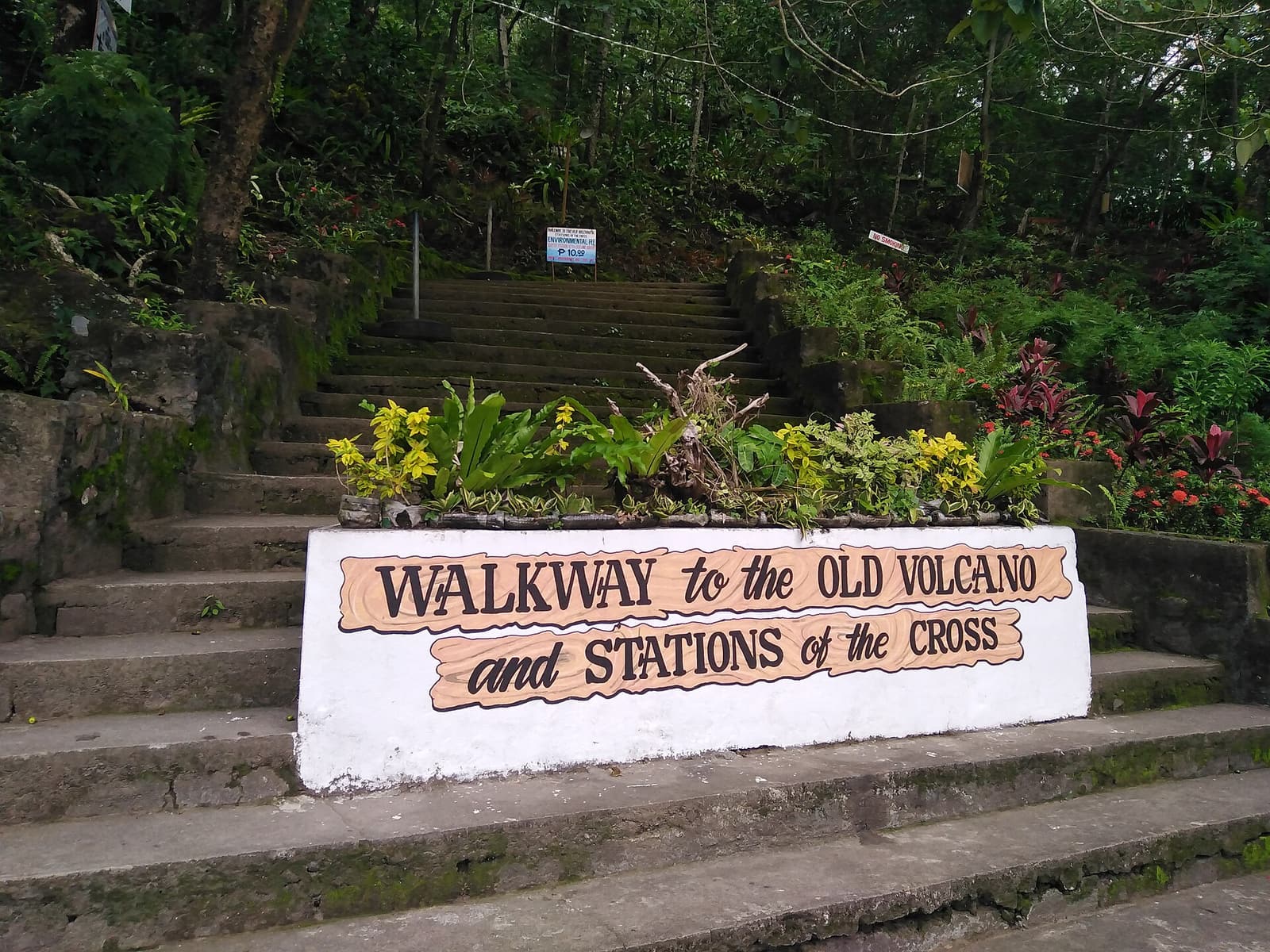
The stone steps and sign at the start of the walkway to the Old Volcano and the Stations of the Cross Catarman & the volcanic west

Old Volcano & Stations of the Cross

Climb past life-size statues of the Stations of the Cross up the slope of Mount Vulcan

Mount Vulcan — the “Old Volcano” — is the cone that rose from the 1871 eruptions near Catarman. A paved and stepped path climbs its flank past fourteen life-size sculptures of the Stations of the Cross, with sea views over the Sunken Cemetery on the way.

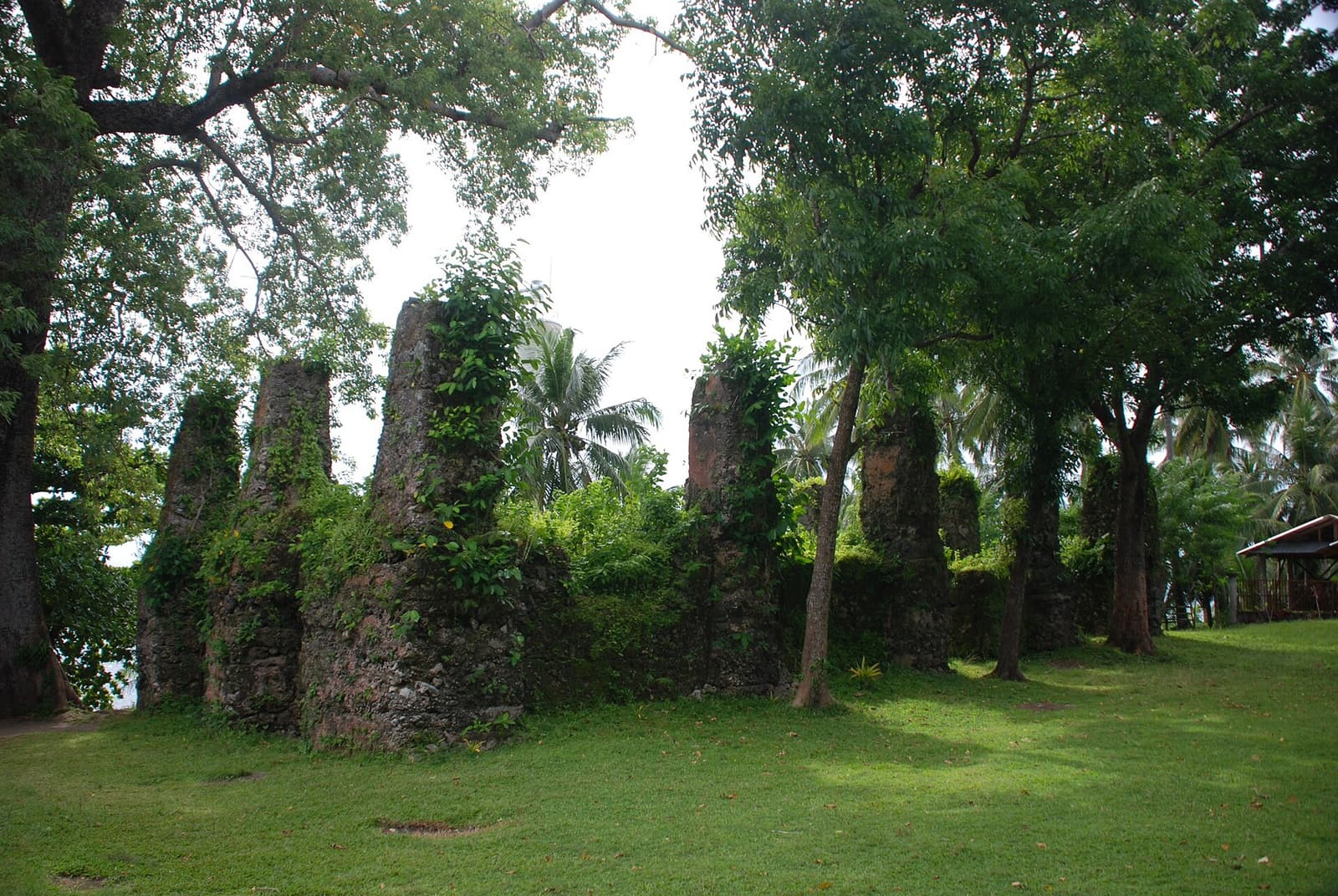
Moss-covered stone walls of the old church ruins in Bonbon, Catarman, shaded by trees Catarman & the volcanic west

Gui-ob Church Ruins

Coral-stone walls of a Spanish-era church wrecked by the 1871 eruption

In Bonbon, Catarman, the roofless walls, belfry base and arched doorways of the old church stand in a grassy compound — the most evocative survivor of the town that was destroyed when Mount Vulcan erupted. A short stop that adds meaning to the Sunken Cemetery nearby.

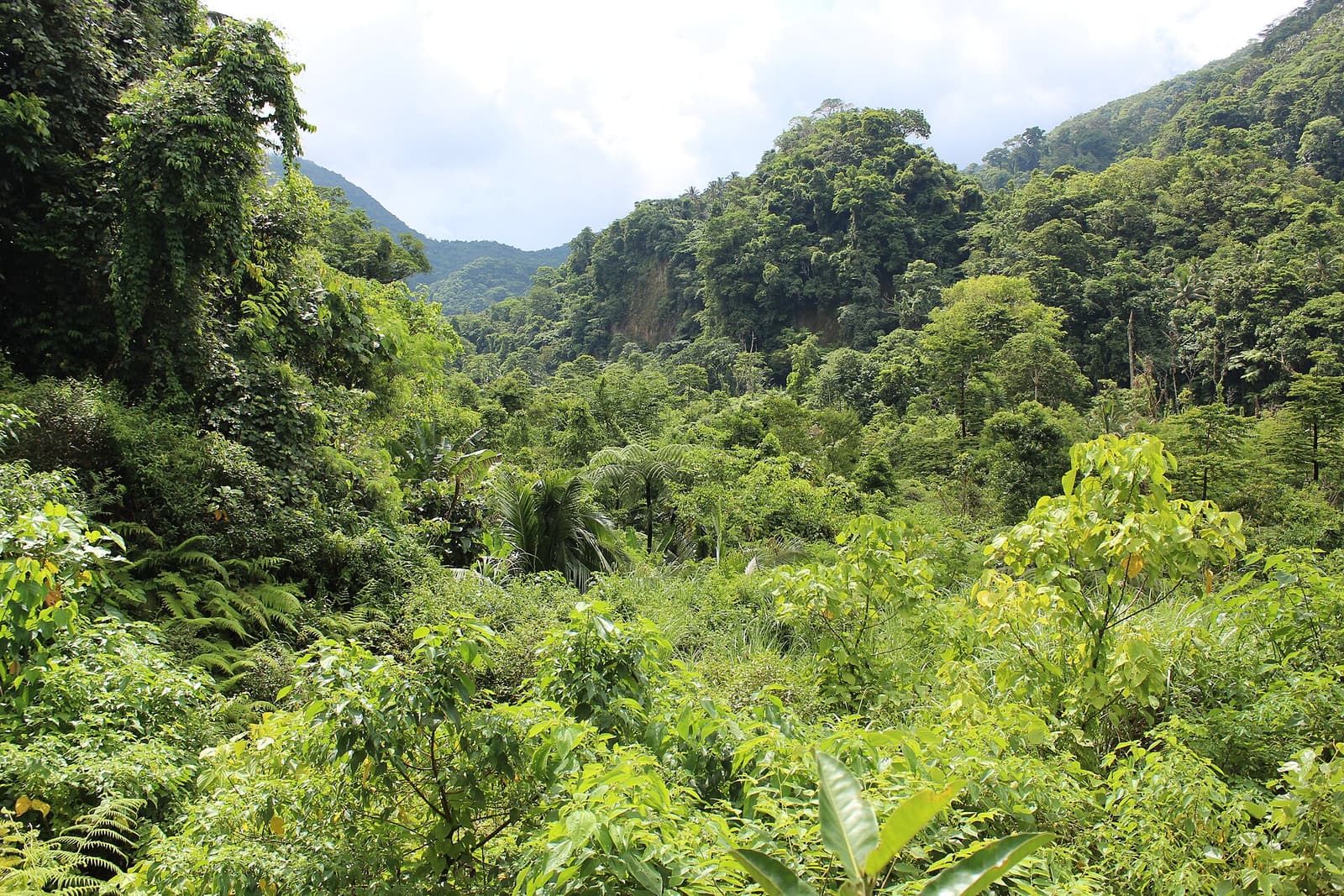
Forested hills in Camiguin’s interior, where the island’s cold springs rise Catarman & the volcanic west

Santo Niño Cold Spring

A large spring-fed pool so clear and cold it takes your breath away

A big natural pool on the south-west side of the island, fed by cold spring water bubbling up through the sandy bottom. It is a favourite with local families at weekends and the perfect antidote to a hot afternoon on the road.

Mahinog, Guinsiliban & the east

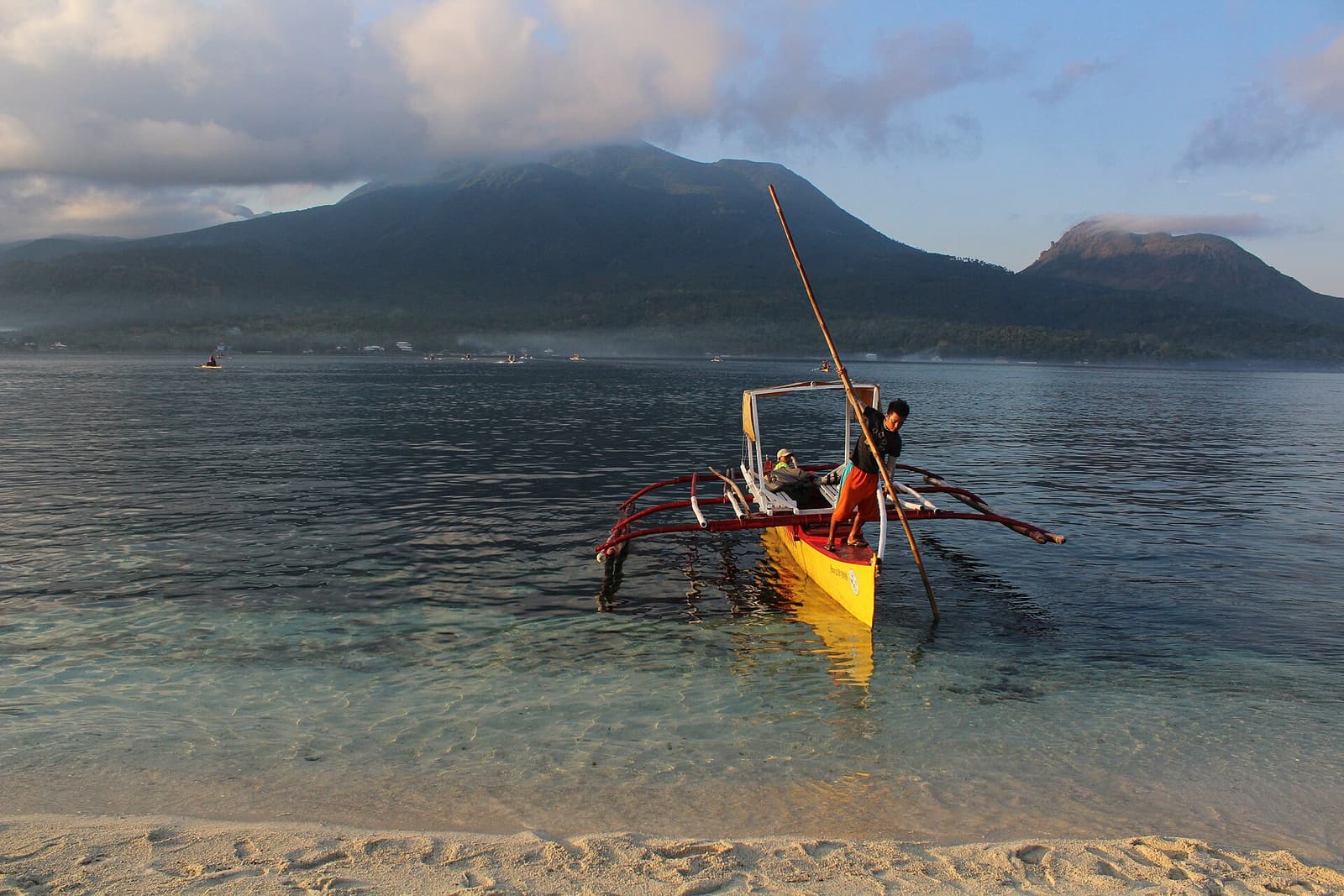
An outrigger bangka of the kind that carries visitors out to the islands, off Camiguin’s coast Mahinog, Guinsiliban & the east

Mantigue Island

A small forested island and marine sanctuary off the east coast, ringed by white sand

Mantigue is a small, wooded island a boat ride from Mahinog with a white-sand beach, a protected marine sanctuary and some of the island’s best snorkelling over reef and a drop-off. Entry and boat fees are paid locally.

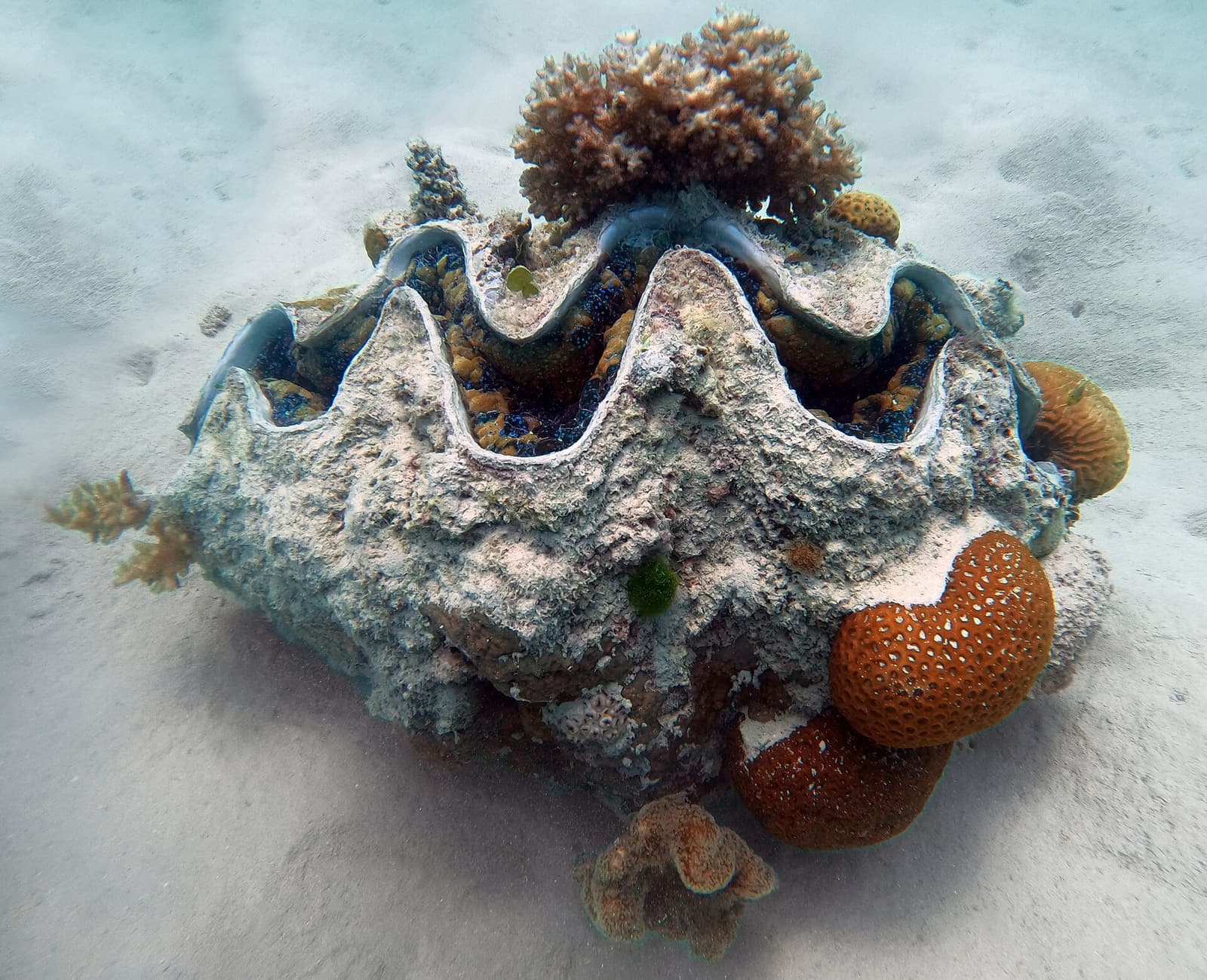
A giant clam with its fluted shell open on a sandy sea floor Mahinog, Guinsiliban & the east

Giant Clam Sanctuary

Snorkel among giant clams in a community-run sanctuary on the south coast

In Guinsiliban on the south-east coast, a community-run sanctuary protects and breeds giant clams in shallow water off the beach. Local guides take you out to float over clams that can be over a metre across.

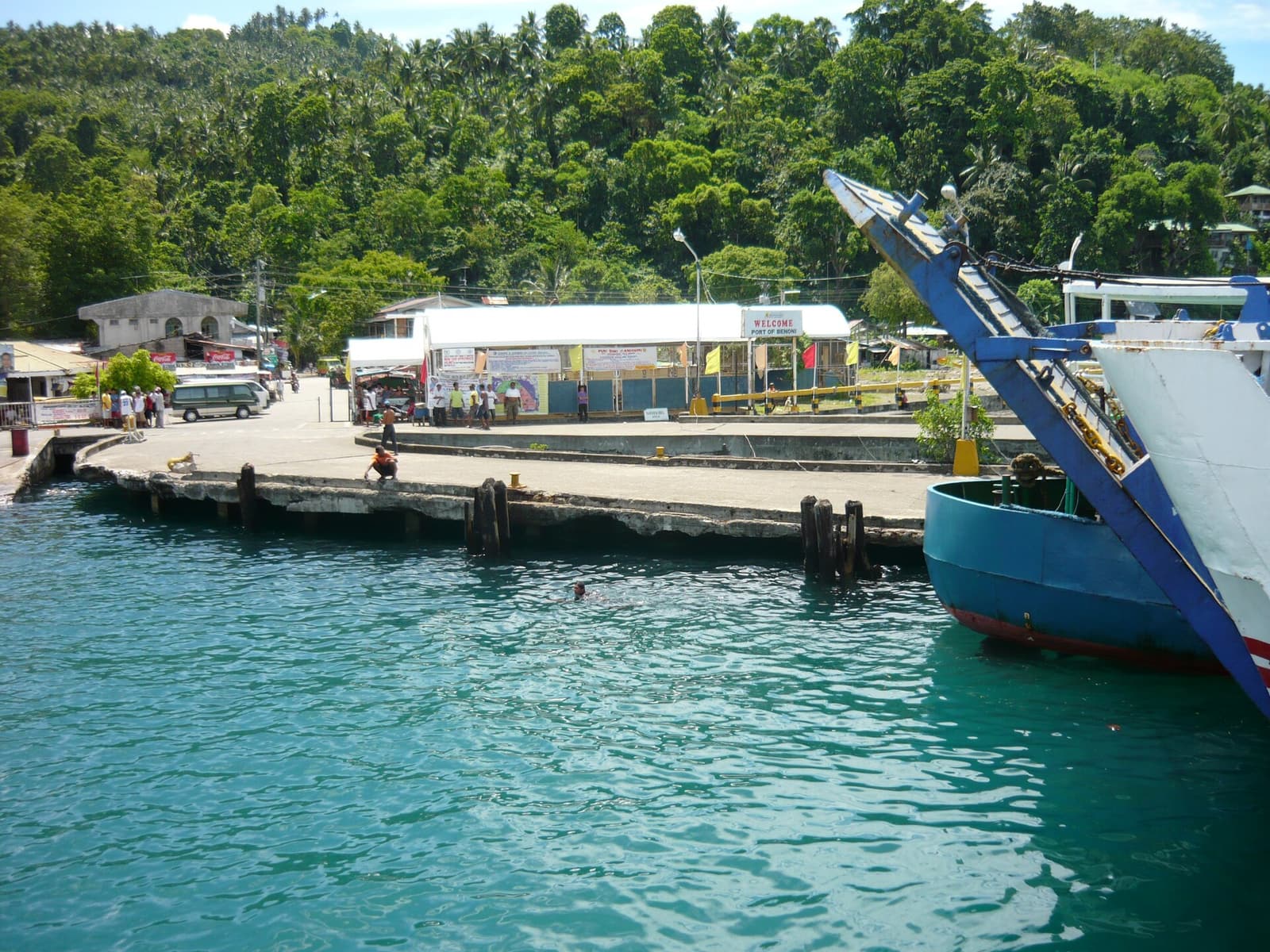
The ferry pier at Benoni port in Mahinog, beside Taguines Lagoon Mahinog, Guinsiliban & the east

Taguines Lagoon

A calm lagoon by the Benoni ferry port with floating huts and fish farms

Right beside Benoni port in Mahinog, Taguines Lagoon is a sheltered, man-made lagoon with bamboo walkways, fish pens and floating cottages where you can eat grilled fish over the water. It is a handy first or last stop for ferry passengers.

Planning your days

A classic split is one day for the west (Sunken Cemetery, ruins, Old Volcano, Tuasan, the cold spring, finishing at sunset back at the cross) and one for the sea (White Island at sunrise, Mantigue by midday, the giant clams and Taguines on the way back), with Katibawasan and Ardent fitted around them. Boats depend on the weather, so keep island-hopping flexible. Ready to book? See the tours or our ranking.

Plan your Camiguin days

Sandbars, waterfalls and a cemetery under the sea

Wade onto White Island at sunrise, snorkel the Mantigue sanctuary, swim under Katibawasan Falls and watch the sun set behind the giant cross of the Sunken Cemetery. Compare the island tours on GetYourGuide and book in a couple of taps.